Why Do Lemon Vibrators Feel Different After 40?
Let's be real: if you've been using a lemon clitoral vibrator for years and suddenly it feels different, you're not imagining it. Your body isn't broken. It's just operating under new rules.
Science & Sensation
Your body's sensory map shifts in your 40s. Here's what actually changes, why suction-based toys like the Lem vibrator work better now, and how to rebuild pleasure on your own terms.
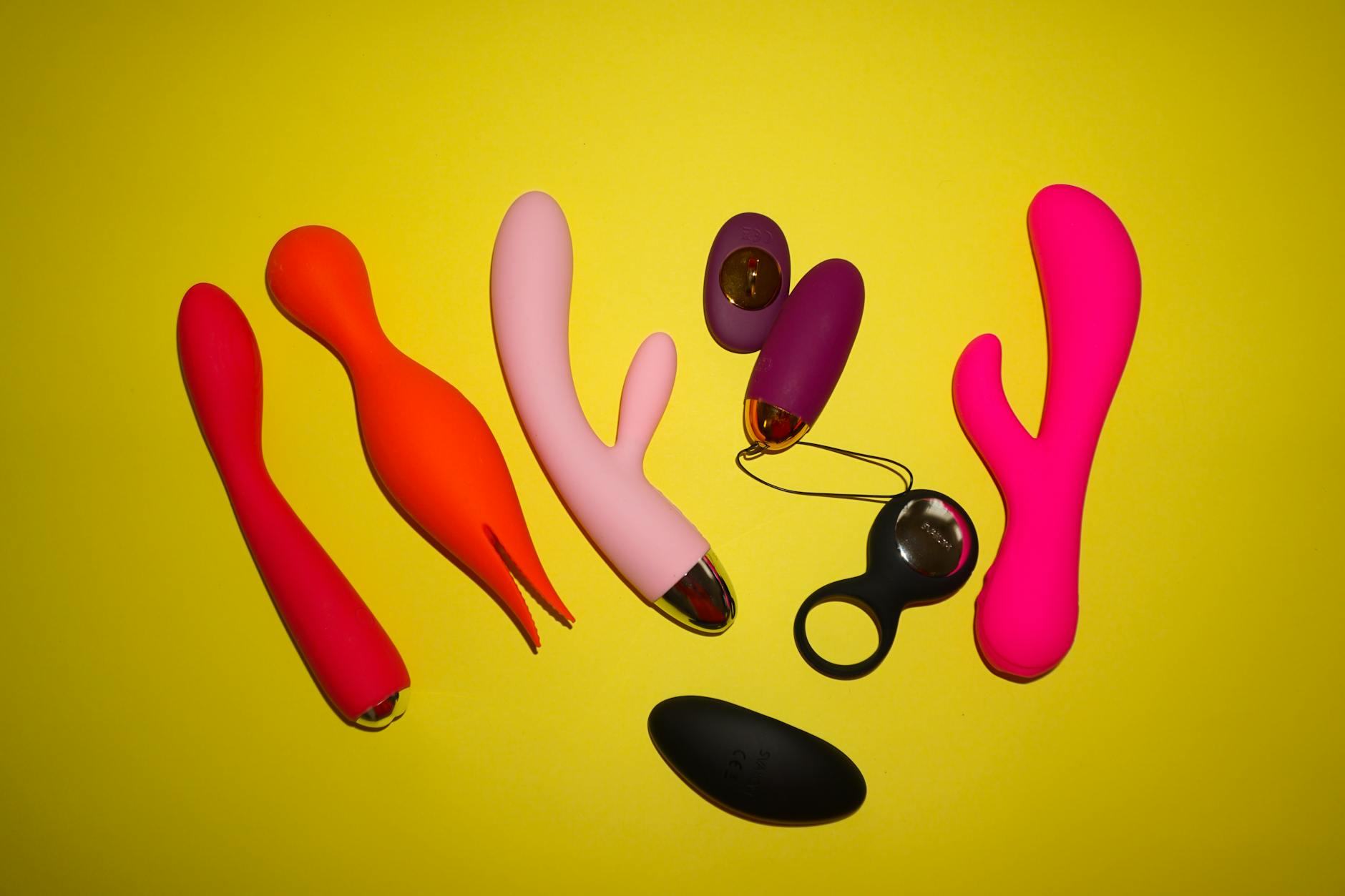
Let's be real: if you've been using a lemon clitoral vibrator for years and suddenly it feels different, you're not imagining it. Your body isn't broken. It's just operating under new rules.
By 40, hormonal shifts have begun rewiring how your skin responds to touch, how quickly arousal builds, and which types of stimulation actually register as pleasure instead of discomfort. For some people, that means their beloved vibrator stops working the way it used to. For others, it's the wake-up call to try something completely different.
Here's what I've learned from working with hundreds of women navigating this exact transition: the shift isn't a loss. It's a recalibration. And understanding the why makes all the difference.
Estrogen levels don't just drop suddenly at menopause. They begin declining in your 40s, and that gradual shift changes the thickness and hydration of your skin, including the vulva.
Your clitoral tissue becomes thinner. The outer skin layer (the epidermis) loses some of its natural moisture barrier. Blood flow patterns shift. These aren't dramatic changes at first, but they compound. Direct, intense vibration that felt amazing at 30 can feel sharp, almost abrading, by 45.
This is why many people find that harsh, high-frequency lemon vibrators stop working. The sensation goes from pleasurable to grating. The same toy, same setting, different body.
What doesn't change: the nerve density in your clitoris. You still have all the sensory equipment you need. It just prefers a different delivery method.
This is where lemon vibrators with suction technology (like the Lem) become game-changers.
Instead of direct vibration against tissue, suction creates a gentle, rhythmic pressure that stimulates the entire clitoral complex without the friction. It feels more like a caress than a buzz. For thinner, more sensitive tissue, this is often the difference between "that hurts" and "oh my god."
I see this transition happen with almost every client who moves from a standard vibrator to a suction toy. The first time they try it, they often say, "This is what I've been missing." That's not marketing. That's relief.
The best lemon sexual toys for this age range use patterns rather than pure speed. Variable pulses, gentle waves, and ramping sensations that build slowly actually trigger better arousal responses than one-note buzzing. Your nervous system at 40+ is slower to wake up but capable of deeper, more sustained pleasure once it does.
Water-based lubricant isn't a sign of failure. It's a tool.
When tissue is naturally more hydrated, lube feels redundant. But after 40, when your body produces less natural lubrication, adding it isn't a workaround. It's essential to comfort and actually necessary for pleasure. Friction without adequate slip can cause micro-tears that make subsequent sessions uncomfortable.
The right lube also changes how a lemon vibrator feels against your skin. It softens the transition, distributes stimulation more evenly, and honestly just makes the experience feel luxurious rather than utilitarian.
I recommend water-based lubes to almost every client in this age group because they're gentle, they work with sensitive tissue, and they wash out easily. Keep a bottle on the nightstand. Make it part of the ritual, not an afterthought.
Here's something nobody talks about: arousal windows get longer after 40.
Meaning, it takes longer to build. That's not a deficit. It's actually an advantage if you know how to work with it.
At 25, you might feel a spark and be ready within minutes. At 45, the warm-up might take 15 to 20 minutes. But here's the thing: once you're actually aroused, the pleasure can be deeper and more sustained. You're not chasing a quick climax. You're building something.
This is why rushing doesn't work anymore. A lemon clitoral vibrator used for two minutes won't deliver what it did years ago because your body hasn't reached the threshold yet. Set aside the time. Let arousal develop. Then bring in the toy. The difference is dramatic.
I have to mention this because it's real and it matters: your brain at 40+ is often carrying more than it was at 30.
Work stress, relationship dynamics, aging parents, body image shifts. All of it lives in your nervous system. That mental load directly interferes with arousal. Your body might physically respond to a lemon vibrator, but your brain might be three steps ahead, already thinking about tomorrow's to-do list.
The people I work with who report the best pleasure post-40 have done one thing first: they've created protected time for sex. Phone off. Door locked. A clear boundary that says "this time is mine." It sounds simple, but it's often the single biggest factor in reclaiming pleasure after 40.
Your tissue changes. Your chemistry changes. But your capacity for pleasure is still there. Your brain just needs permission to show up.
Estrogen supports pelvic floor muscle tone. As levels drop, the pelvic floor can weaken and lose some of its elasticity. This changes how orgasms feel. Sometimes they feel shallower. Sometimes sensation becomes less localized.
Pelvic floor exercises (Kegels, yes, but also lengthening and releasing) actually help. But here's what most women don't realize: you don't need a stronger pelvic floor for better pleasure. You need a more responsive, flexible pelvic floor.
That means strengthening and then actively learning to relax. Many people find that using a lemon vibrator with intentional relaxation (rather than the instinct to clench) creates better orgasms. The muscles move with the sensation instead of against it.
Not every lemon sexual toy works for every body after 40. Some people thrive on vibrators. Others find that a combination approach works better: some direct stimulation, some indirect, some time just exploring without a toy.
If you're using a lemon vibrator for maximum pleasure and it's not working anymore, the answer isn't to push harder or go faster. It's usually to shift the approach.
Try a suction toy like the Lem vibrator. Try different patterns and speeds. Experiment with lubrication types. Add more warm-up time. If direct clitoral stimulation feels uncomfortable even with lube and patience, explore indirect stimulation for a while. Your body will tell you what works if you listen.
Here's something I see constantly: women in their 40s apologizing for their bodies. Apologizing for needing more time. Apologizing for not enjoying things the way they used to.
Stop.
Your body isn't apologizing. It's evolving. Different doesn't mean broken. Slower doesn't mean less capable. If anything, pleasure after 40 can be more intentional, more grounded, more yours.
Using a lemon clitoral vibrator or any adult toy after 40 is an act of self-respect. It says: my pleasure still matters. My body deserves attention. I'm not done yet.
You're not. You're just getting started on the chapter where pleasure stops being something you perform and becomes something you actually receive.
Thinning tissue from declining estrogen makes direct vibration feel less comfortable. The same vibration that felt pleasurable at 30 can feel sharp or irritating at 40. Water-based lubricant, slower warm-up, and lower intensity settings usually fix this. If pain continues, consider trying a suction-based lemon vibrator or consulting a gynecologist, as genitourinary syndrome of menopause (GSM) is treatable.
Often yes. Suction toys distribute stimulation differently than direct vibration. They create gentle, rhythmic pressure rather than friction, which feels less intense and is generally more comfortable on thinner, more sensitive tissue. Many people report that suction toys work better after 40 than the vibrators they've used for years.
Enough to feel slick and smooth to the touch. You shouldn't need a huge amount, but don't be stingy. Start with a dime-size amount and add more as needed. Water-based lube is safest for silicone toys. Reapply as needed during longer sessions because it can dry out.
Absolutely. Many people report their most intense orgasms after 40. The experience changes (sometimes they feel different, sometimes better), but the capacity is absolutely there. Depth of pleasure at 40+ often comes from longer warm-up, mental relaxation, and knowing what your body needs.
If direct vibration feels uncomfortable despite lube and patience, if you need very low settings to feel okay, or if you're just curious, try a suction toy. Many people find that a lemon vibrator with suction technology is a total game-changer after 40. There's no loyalty required; find what works for your body now.
Yes. Desire, arousal patterns, and what turns you on can all shift. Hormonal changes play a role, but so do life stress, relationship dynamics, and body image. If libido drops significantly and troubles you, talk to a doctor. For many people, reclaiming pleasure through exploration and permission is the bigger shift than any single physical factor.
Your body after 40 isn't a downgrade. It's a different experience. Lemon vibrators, lemon clitoral vibrators, and other toys don't stop working. They just work differently. The key is listening to what your body needs now rather than expecting it to respond the way it did years ago.
If you want to dive deeper into navigating pleasure and intimacy through life transitions, I invite you to reach out. Understanding your body and what it needs now is the foundation for pleasure that actually lasts.
References & Sources