When penetration hurts, clitoral pleasure becomes the doorway back to intimacy. Here's how lemon vibrators and lemon sucker toys work differently when pain is in the picture.
Let's be real. If sex is painful, you've probably stopped wanting it. Not because you lack desire, but because your nervous system learned a valid lesson: this activity causes pain. Your brain wasn't wrong to shut that down. The problem is what happens next. Pain avoidance can turn into broader intimacy avoidance, and then the relationship narrative becomes "we've lost our spark" instead of "one of us is hurting and we're solving it together."
A lemon vibrator changes this equation because it removes the pressure to achieve penetration. When clitoral pleasure is the main event instead of the warm-up, the entire dynamic shifts. You're not working toward something that might hurt. You're experiencing something that reliably feels good.
Vulvodynia, vaginismus, endometriosis, pelvic floor tension, post-surgical sensitivity, vulval dermatitis. These are real medical conditions. Some come with a diagnosed name. Others are clustered under "provoked vestibulodynia" or "insertional dyspareunia." A few have no clear diagnosis at all.
Here's what they have in common: they're not your fault, and they're not permanent. Most respond well to a combination of medical treatment, pelvic floor physical therapy, and a fundamental rewiring of what pleasure means in your relationship.
A lemon clitoral vibrator fits into that rewiring phase. It does something penetration can't: it delivers pleasure without the structures that are currently signaling pain.
Your nervous system has learned that penetration equals pain. Retraining it takes time, safety, and repeated evidence that pleasure can happen differently. This is not psychology mumbo. It's actual neurology. A lemon sucker or lemon vibrator works because it activates the clitoral network, which has almost 8,000 nerve endings concentrated in a small area.
When you use a lemon clitoral vibrator during this recovery phase, you're sending your nervous system a clear message: "This activity is safe. Pleasure happens here. No intrusion required." This message repeats, gets stored, and gradually loosens the grip of pain-avoidance patterns.
Hello Nancy's Lem or other lemon sexual toys are particularly effective because the suction-based stimulation engages nerves differently than direct vibration. There's less pressure on tissue that may already be sensitized. The sensation is more diffuse and generally feels gentler on vulval skin that's been through pain cycles.
Three shifts I've watched happen in couples working through painful sex:
First, permission returns. Sex stops being a potential source of pain and becomes a choice again. That's huge.
Second, arousal rebuilds. When penetration is off the table, arousal doesn't need to climb toward that goal. It can plateau at pleasure itself. Many people find their first non-pain orgasms after starting with a lemon clitoral vibrator or lemon sucker.
Third, the relationship temperature changes. When one partner has pain, both partners contract. Introducing a form of intimacy that's actually reliable (a lemon vibrator delivers consistent sensation without friction or pressure) loosens that shared tension.
Use water-based lubricant. Even though a lemon clitoral vibrator doesn't require the preparation that penetration does, a small amount of lube takes any residual discomfort out of the equation. It also creates a smoother seal if you're using a suction-based lemon sexual toy.
Start at the lowest setting. If your tissue is sensitized from pain cycles, your threshold for intensity is lower than usual. Begin at pattern 1 or 2 on your lemon vibrator and work up only if it feels good. There's no prize for higher settings.
Explore outside of typical sex times. Many people find that using a lemon clitoral vibrator when there's zero expectation for partnered activity, zero clock ticking, zero pressure for a particular outcome, is where genuine pleasure re-emerges. This might mean alone time first, then introducing your partner later.
Stop if it hurts. This is the one rule. If a lemon vibrator causes any pain or discomfort, stop immediately. This isn't about pushing through. Your nervous system is learning that this is a safe activity. Pain breaks that learning cycle.
If you have a partner, the conversation about starting with a lemon vibrator doesn't have to be complicated. It can be: "I found something that feels good without the pain element. I want to explore this. Do you want to be there, or do you want me to do this alone first?"
Some people with pain find that their partner using the lemon vibrator on them feels less clinical than doing it themselves. Others need solo time first to rebuild trust with their own body. There's no correct timeline. The only rule is that pressure from a partner to move faster than your nervous system is ready for is not support.
If a partner responds with disappointment that penetration is off the table, that's a different conversation entirely and probably one worth having with a couples therapist alongside medical care.
Let me be clear: a lemon clitoral vibrator is part of pain recovery, not all of it. If you have painful sex, you also need to see a pelvic health physical therapist and a gynecologist who specializes in pain. Topical treatments exist. Pelvic floor therapy works. Sometimes short-term pain management helps. Sometimes addressing underlying conditions like endometriosis or dermatitis shifts everything.
What a lemon vibrator or lemon sucker does is keep pleasure alive while you're doing that medical work. It prevents the secondary pain of lost intimacy while you're addressing the primary pain.
Every time you use a lemon sexual toy and feel pleasure without pain, you're building new neural pathways. Your brain is learning "sex can feel good and not hurt." This is not a small thing. This is how recovery actually works at the nervous system level.
Over weeks and months of consistent positive experiences, the fear response around sexuality loosens. That fear isn't weakness. It's smart. Your body learned a valid survival lesson. You're just teaching it a new, better one.
Yes, and often with great results. Start at low intensity and use abundant lubricant. Many people with vulvodynia find that suction-based lemon clitoral vibrators feel gentler than traditional vibration. If any pain shows up, stop immediately and check in with your pelvic health physical therapist.
No. A lemon clitoral vibrator is a tool for pleasure and recovery, not a replacement for all forms of intimacy. Many people find that once pain is addressed and pleasure is rebuilt, they're able to return to penetration if they want to, without the fear-pain cycle.
That's between you, your partner, your gynecologist, and your pelvic floor physical therapist. There's no standard timeline. Some people take weeks, others take months. The key is that you're not pushing toward penetration as a goal. You're allowing pleasure and healing to happen at their own pace.
Absolutely. Most people with vulvas find clitoral stimulation more reliable for orgasm than penetration. Using a lemon clitoral vibrator because it feels better, not just because penetration hurts, is completely valid.
That's a communication issue, not a device issue. You might frame it like this: "My body is healing from pain. Using this tool helps me feel pleasure safely. It's part of my recovery, just like physical therapy would be." If your partner continues to resist, couples therapy is worth exploring.
Yes. A lemon sexual toy can be part of a broader pain management and recovery plan. Check with your physical therapist about timing and intensity, but there's no conflict between using lemon vibrators and pursuing medical treatment.
Pain during sex is not a life sentence. It's a signal that something needs attention. A lemon clitoral vibrator gives your nervous system permission to remember that pleasure is possible while you address the pain itself. That's not a workaround. That's recovery.
If you're working through this, you're not broken. You're rebuilding something that matters. Reach out to your doctor, find a pelvic health physical therapist, and give yourself permission to explore pleasure in whatever form works for your body right now.
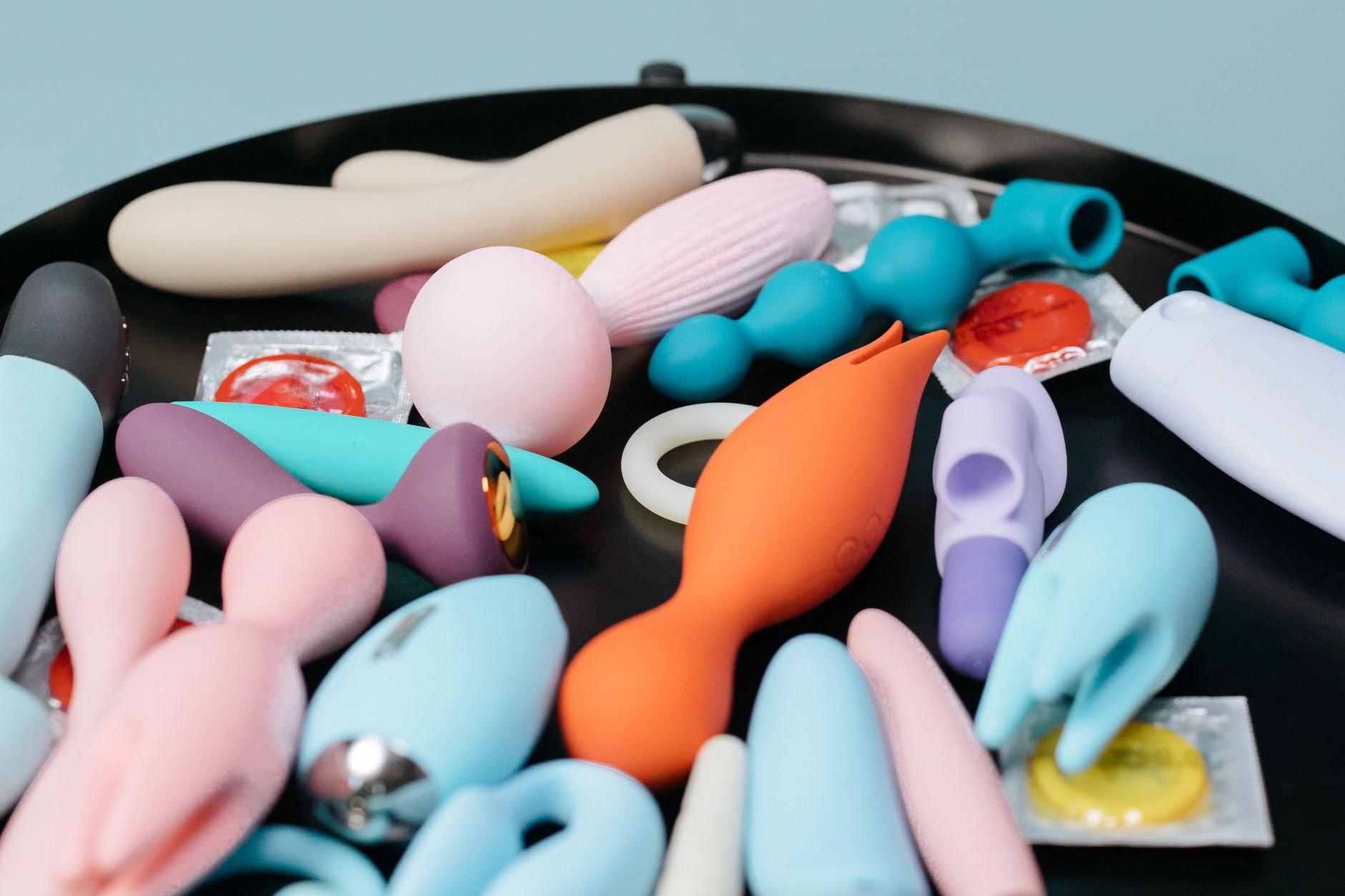
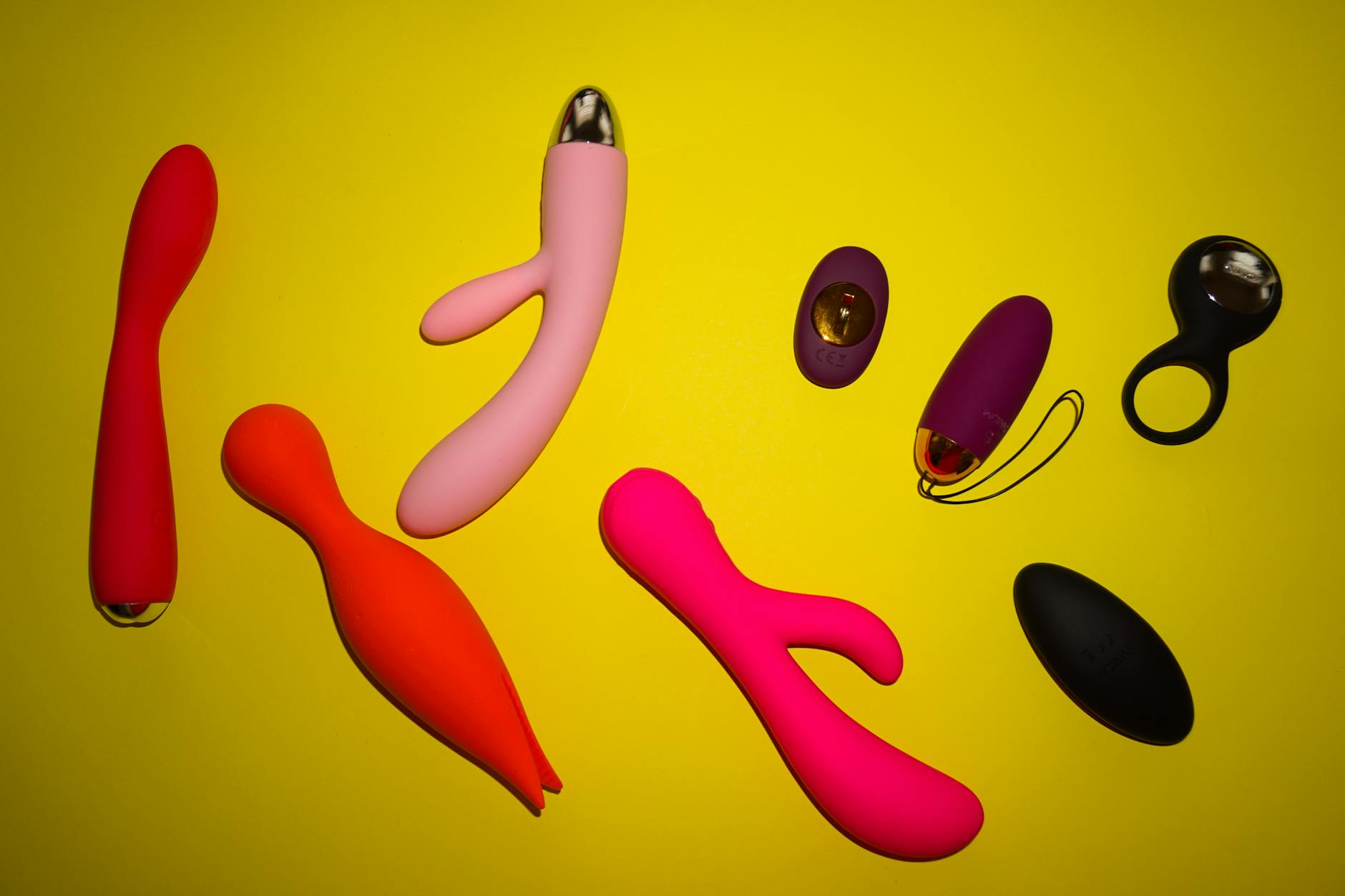 Photo by FounderTips on Pexels