Most of us learned to orgasm inside a timeline that wasn't ours. Whether it was a partner waiting, a fear of being "too slow," or just the ambient cultural messaging that sex has a beginning, middle, and finish line, we've all felt the weight of that clock ticking in the back of our minds. By the time we're exploring our pleasure alone, that clock is often already built in.
What I see in my therapy practice is that people with this history almost never slow down on their own. The pressure to orgasm quickly doesn't magically disappear when you're alone with a lemon vibrator. It gets louder. And that's the problem.
This might sound weird, but orgasm pressure isn't really about orgasms. It's about control, efficiency, and what you've learned to believe you deserve. In long-term relationships or after years of partnered sex, we often prioritize the other person's experience over our own. The orgasm becomes a finish line we need to cross so the other person doesn't feel bored or obligated. When you finally have space to yourself, that same voice is still there.
What's interesting is that this almost always shows up as speed. Not as lack of desire or numbness. It shows up as rushing. Skipping the warm-up because you're trying to "get to it." Using maximum intensity right away. Watching the clock. Getting frustrated when your body takes its actual time.
That's not a body problem. That's a permission problem.
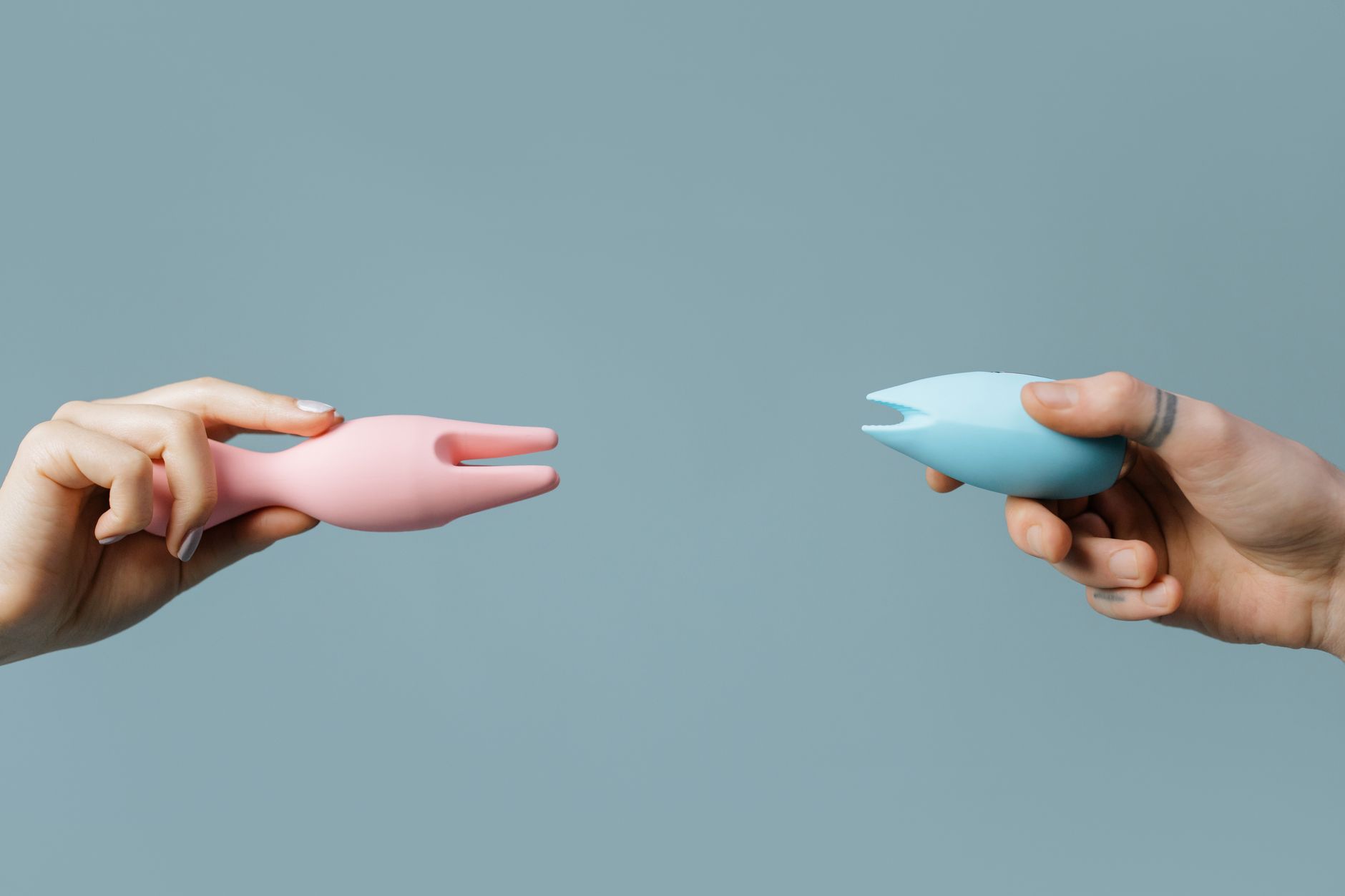
Traditional vibrators work through direct, mechanical stimulation. You control the intensity and pattern, and there's a direct line between the toy and the orgasm. The pressure to perform stays intact. Clitoral suction, including lemon vibrators like the Lem, works differently. It doesn't vibrate against your clitoris. It creates a rhythmic sucking sensation that stimulates the entire clitoral bulb, including nerve clusters that direct vibration misses.
Here's what that means for your nervous system. Suction feels more like a slow build than a sprint to a finish line. The sensation is sustained, gentle (even at higher intensities), and almost impossible to rush. Your body can't just white-knuckle its way through it. You actually have to be present.
Many of my clients report that this tool forces them to slow down in a way they couldn't do alone. Not because the toy is slow. But because the sensation itself resists rushing. It demands your actual attention.
If you've been living with orgasm pressure for years, your nervous system needs time to recalibrate. Here's a practical approach I recommend.
Weeks one and two: Set a timer for 20 minutes. Use the Lem on the lowest pattern (1 or 2). Do not try to orgasm. The goal is to spend 20 minutes noticing what the suction feels like, without the orgasm as the destination. This feels bizarre the first few times. Your brain will scream at you to ramp up the intensity. Don't. The pressure you've been living with is so old you probably don't even notice it anymore. You need two weeks of evidence that pleasure without orgasm is real and acceptable.
Weeks three and four: Still 20 minutes. Still low intensity. Now you're allowed to notice when an orgasm might be building, but you're not chasing it. You're observing it the way you'd observe clouds moving across the sky. Some sessions will end in orgasm. Some won't. Both are the whole point.
Week five onward: Now you can explore higher intensities and patterns if you want. But by this point, you'll probably notice that the lowest settings feel better than they did before. That's not because the toy changed. You changed.
When you sit down with a lemon vibrator and feel that familiar urge to rush, here's a script that works. Say it out loud if you need to.
"I have 20 minutes. There's nothing after this. No one is waiting. No one is keeping score. I don't need to earn this pleasure by finishing fast. My body gets to take whatever time it actually needs."
That last sentence is the hardest one for most people. We're so trained to believe that our bodies are inefficient if they take time, that desire is weak if it builds slowly, that we're failing if we don't reach orgasm by some arbitrary point.
The truth is much simpler. Your body is exactly right. It's your timeline that was wrong.
If you've tried the two-week reset and you're still feeling that urgency to finish, that's information. It usually means the pressure is deeper than just the way you use a toy. That's when therapy is genuinely useful. Sometimes orgasm pressure is connected to anxiety, sometimes to control issues in a relationship, sometimes to trauma history. Those are real things that need real help, not just a different vibrator.
What a lemon vibrator can do is create the conditions where you might notice the pressure in the first place. That awareness is the first step. The suction forces you to stay present in a way that makes it impossible to autopilot through sex. Once you can actually feel the pressure, you can work with it.
Here's what I hear from people six weeks into this practice. The orgasm, when it happens, feels different. Not better necessarily, but different. It's less urgent, less performative. It's more like your body finally relaxing into something it actually wanted all along, rather than your mind forcing your body across a finish line.
That distinction matters because it's the difference between pleasure and achievement. One is sustainable. The other burns you out.
Using a lemon clitoral vibrator when you've got speed anxiety isn't about having more intense orgasms. It's about finally believing you deserve pleasure that operates on your timeline, not anyone else's. The Lem is just the tool that makes that belief possible.
That voice isn't just in your head. It's been trained into your nervous system over years or decades. Your brain learned efficiency around sex because someone else was always waiting. Even when that person is gone, the pattern remains. The good news is that patterns can be retrained, and a lemon vibrator creates the perfect environment for that retraining because the sensation itself encourages slowing down.
Both. Suction creates a different nervous system response than vibration does. Traditional vibrators can feel more "goal-oriented" because they're designed for intensity and pattern control. Suction invites you to settle into a sustained sensation instead. You can't really rush suction the same way you can rush vibration. That physical reality becomes a psychological anchor pretty quickly.
That's a sign the pressure is connected to something bigger than your solo practice. Maybe relationship dynamics, maybe anxiety, maybe trauma history. A therapist who specializes in sexual health or relationship dynamics can help you understand what the pressure is actually about. Sometimes it's not about the orgasm at all. It's about control, worthiness, or safety.
Yes, but start slowly. The two-week reset I described is actually perfect for anxiety because it removes the orgasm goal entirely. You're just learning that you can feel pleasure without stakes. That can be really healing for anxious nervous systems.
Yes. Not in a blaming way, but as information about what you need. "I've noticed I feel rushed sometimes, and I want to explore that on my own first" is honest and clear. If you have a partner, their reassurance that you have all the time you need can actually matter. What you can't get from your partner is the nervous system reset, which is why solo practice with a tool like the Lem is so valuable.
Two to four weeks of consistent practice is usually when people start noticing a shift. But the real change happens around week five or six, when the old urgency actually feels uncomfortable. Your nervous system is finally getting the message that pleasure doesn't require speed.
I work with couples and individuals on intimacy for a living, and I can tell you that the single most common thing I hear is "I'm too slow." Almost never is there an actual physiological reason. It's always a timeline issue. A learned belief that your body's natural pace is a problem.
Using lemon sexual toys like the Lem when you're working through that belief is genuinely powerful because the tool itself works against rushing. You could read all the self-help books in the world and still feel that pressure. But spending 20 minutes with a clitoral vibrator that invites sustained attention instead of peak performance. That actually rewires something.
The goal isn't to have faster orgasms or slower ones. The goal is to have your own orgasms, on your own timeline, without anyone's voice in the back of your head telling you to hurry up. That's what lemon adult toys are actually for.
If you want to talk through what's driving the pressure in your specific situation, that's what I'm here for. Reach out at /contact and we can explore what you actually need.