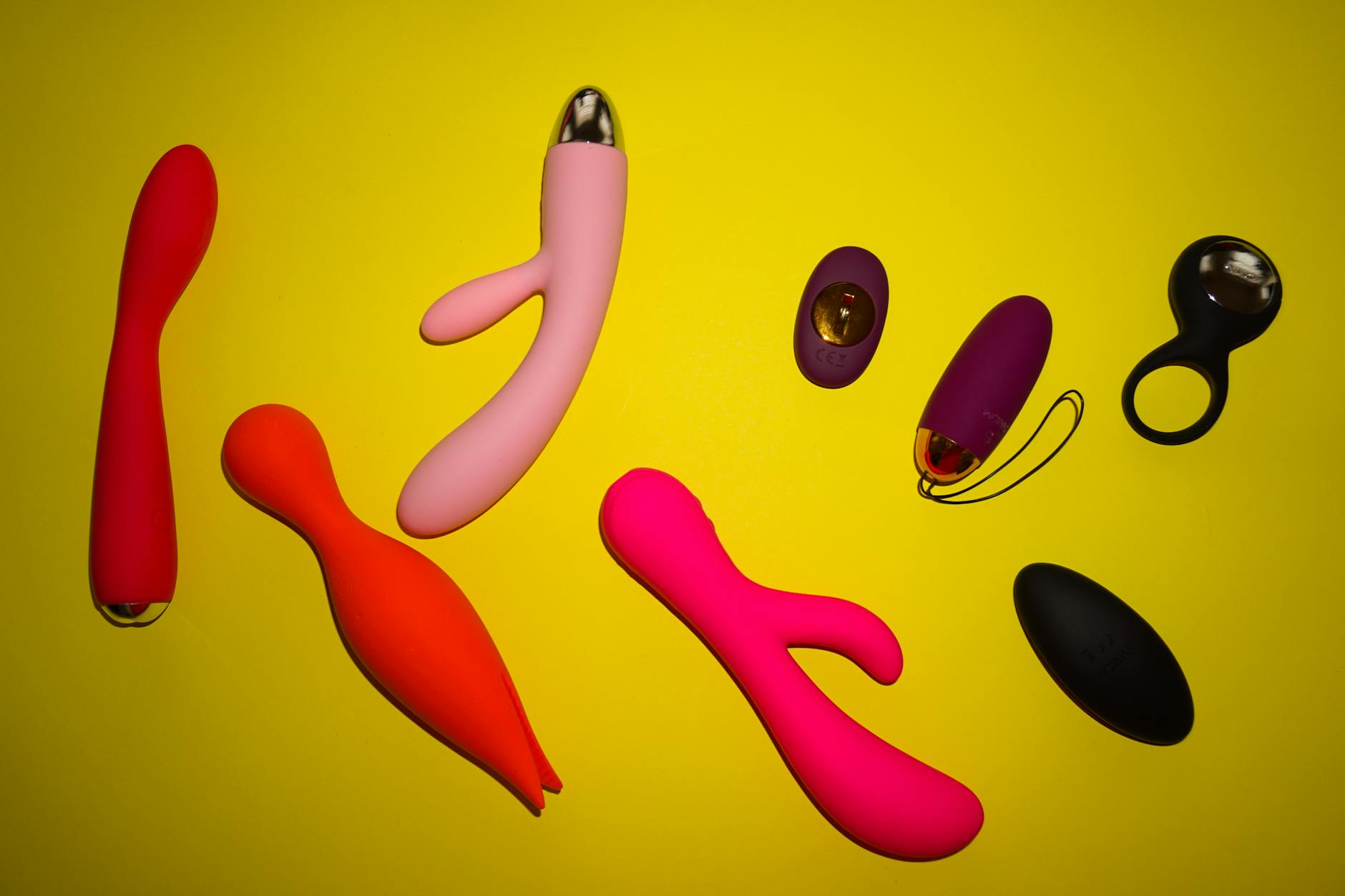
How to Use a Lemon Vibrator for Better Sensation After Hormonal Changes
When your body shifts, your pleasure strategy needs to shift too. A guide to adapting lemon clitoral vibrators for hormonal transitions and reclaiming sensation.
Hormonal transitions mess with sensation. Not in some abstract, vague way. Your clitoral tissue responds differently to stimulation. Your arousal timeline stretches. The intensity that worked last month might feel too much or not enough. And nobody warns you about this until you're already frustrated, thinking your body is broken when it's just... recalibrated.
The good news? Lemon vibrators, with their suction-based design, adapt to hormonal shifts better than traditional vibrators do. Once you understand what's happening physiologically, you can adjust your technique and get back to reliable, satisfying sensation.
When hormones fluctuate, estrogen and testosterone levels change. This affects blood flow to genital tissue, lubrication, and nerve sensitivity. The clitoral glans becomes more or less engorged depending on where you are in your cycle or life transition. Think of it like a dimmer switch rather than a light that's either fully on or off.
Tissue elasticity shifts too. During high-estrogen phases, tissue is plumper and more responsive. During low-estrogen phases, the same tissue feels thinner and sensation can feel duller or weirdly intense in unpredictable spots.
For traditional vibrators relying purely on friction and buzzing, these shifts mean constant recalibration. You're chasing the right pressure, the right speed, the right angle every single time. For a lemon vibrator using gentle suction and pulse patterns, the mechanism works with your body's changes rather than against them.
A lemon clitoral vibrator doesn't pound or buzz relentlessly. It uses gentle suction with rhythmic pulses to stimulate nerve endings. This matters hugely during hormonal transitions because suction doesn't rely on precise tissue fullness the way friction does.
When your clitoris is less engorged, traditional vibrators either slip off, don't reach the right nerves, or feel abrasive. A lemon vibrator maintains contact through suction, so the mechanism stays consistent even if your tissue is responding differently.
The pulse patterns also matter. Unlike a straight vibration, which overstimulates during sensitive phases, the pulsing patterns of lemon toys allow your nervous system to register sensation without overwhelming it. You get sustained pleasure without the numbing effect of constant high-frequency buzzing.
Here's the practical part: lemon vibrators usually have three to five intensity levels. During high-hormone phases (when estrogen is peaked), you can work up to patterns 3 or 4. Your tissue is engorged, sensation is heightened, and you can handle more direct stimulation.
During low-hormone phases, start at pattern 1 or 2. The lighter suction is enough to build sensation without overwhelming thinner tissue. This is not weakness. This is listening to what your body actually needs.
Many people skip this step and get frustrated. They assume the toy stopped working when really their body is telling them to start gentler and build up. The lemon clitoral vibrator's design allows this flexibility in a way most traditional vibrators don't.
Warm up longer during low-hormone phases too. You might need fifteen to twenty minutes of foreplay or external stimulation before using the toy. That's not a problem. That's your arousal process during this phase. Rushing to the toy before your tissue is ready is where people hit dead ends.
Hormonal changes compress or expand your arousal timeline. You might have always peaked in five minutes. Now it's eight. Now it's fifteen. This is completely normal and has nothing to do with the toy's effectiveness.
Adjust your expectations, not the toy. If you usually masturbate in a quick five-minute window and suddenly need more time, either extend your session or plan for it. Some hormonal phases demand patience. Others deliver intensity faster than you expect.
Try tracking your patterns for two cycles. Notice when sensation builds fastest, when you need more warm-up, what pattern feels best at different times. This data is gold. It takes the guesswork out of "why isn't this working" and turns it into "this is my pattern and here's how to work with it."
Even if you're usually naturally lubricated, hormonal shifts can dry things out. A water-based lubricant is your friend here, not a sign of failure. Add a small amount around the toy's opening before using it. This allows the suction to seal properly without any uncomfortable friction.
During high-hormone phases, you might need almost nothing. During low phases, a little lube makes the difference between uncomfortable and amazing. Keep a travel-sized bottle nearby so you're never caught without.
If you're experiencing reduced sensitivity, don't immediately reach for a higher pattern. Build sensation gradually through technique instead. Start with patterns 1 and 2, taking longer warm-up time. Use a finger to manually explore your clitoral area first so your nervous system wakes up before introducing the toy.
Sometimes what feels like numbness is just delayed arousal. Your body needs ten minutes instead of five. That's the shift. Work with it rather than against it.
If you're using a lemon vibrator with a partner, communication gets even more important during hormonal shifts. Your sensitivity changes. Your timeline changes. Your preferences for intensity and duration change. The toy that felt perfect last week might need tweaking this week.
Talk about it. "Today I'm going to need gentler starting intensity" or "I want longer warm-up time" are valuable sentences. Your partner benefits from knowing what to expect too. There's nothing less sexy than someone guessing wrong about what you need and you both ending up frustrated.
Here's the thing that's easy to miss: these shifts are usually cyclical or temporary. If you're experiencing hormonal changes from hormonal birth control, the adjustment period is typically two to three months. If you're tracking your cycle, the intensity changes repeat monthly. If you're approaching or in menopause, changes stabilize over a couple of years.
Knowing this helps. You're not permanently broken. You're in a transitional phase where your lemon vibrator needs slightly different technique. Once you map your pattern and adjust accordingly, sensation comes roaring back.
Keep simple notes about sensation and what works. Day of cycle, starting intensity level, warm-up time needed, which pattern felt best, how long it took to reach satisfaction. After two cycles, patterns emerge. You'll stop guessing and start knowing.
This data is yours. It's not medical. It's not clinical. It's your personal pleasure map during hormonal transitions. Use it to confidently adjust your technique instead of wondering if something's wrong with you or the toy.
If sensation has completely disappeared for more than a month or if pain appears during use, check in with a healthcare provider. Sometimes hormonal shifts are normal. Sometimes they point to something worth treating. Vaginal atrophy, hormonal imbalances, or other issues can be addressed. A good doctor takes pleasure seriously and won't dismiss you.
Most hormonal changes that affect sensation are completely manageable with technique adjustments and a lemon vibrator's flexible design. But if something feels off beyond the normal monthly shift, that conversation is worth having.
Most people notice stabilization within two to three cycles. If you're on hormonal birth control, adjustment takes longer, usually three months. During menopause, expect significant shifts over six months to two years, then plateauing. The point isn't to rush the timeline. It's to adjust your technique while you're in transition.
Technically yes. Practically, you'll probably get better results varying intensity with your hormonal phase. But if you prefer simplicity, stick with pattern 2 as your baseline. It's gentle enough for low-hormone phases and still satisfying during higher ones. You're not breaking the toy by using it the same way every day.
Absolutely. Hormonal contraceptives suppress natural cycles, which means sensation stays more consistent than it would without them. You might notice one or two days of adjustment around pill placebo weeks, but overall, people on hormonal birth control report more predictable sensation. That's actually one reason they prefer lemon clitoral vibrators. The consistency is reliable.
Communicate before you start. Say something like "I might need gentler intensity today" or "I want to go slower than last time." Give your partner permission to ask if something's not working. The toy didn't change. Your body did. That's normal and totally manageable if you're both aware.
No. It's typically cyclical or transitional. If you're in a monthly cycle, sensation returns. If you're experiencing hormonal changes from birth control or menopause, sensation restabilizes once you're a few months or years past the shift. The goal isn't to panic during the shift. It's to adjust technique and know it's temporary.
No. You should adjust how you use them, not avoid them. During low-hormone phases, use lower intensity, longer warm-up, and maybe a touch of lube. During high-hormone phases, you might reach for pattern 3 or 4 faster. The toy works across all phases. Your technique just adapts.
Your body doesn't break when hormones shift. It changes. And once you understand what changes and why, you get to actively reshape your pleasure strategy instead of feeling confused about why something that worked last month doesn't work today. A lemon vibrator, with its suction-based design and flexible intensity levels, makes that adaptation way easier than traditional vibrators do. That's not hype. That's engineering meeting biology.
Your sensation after hormonal changes isn't diminished. It's just different. And different, once you get the technique right, can be just as good as before. Better, sometimes.