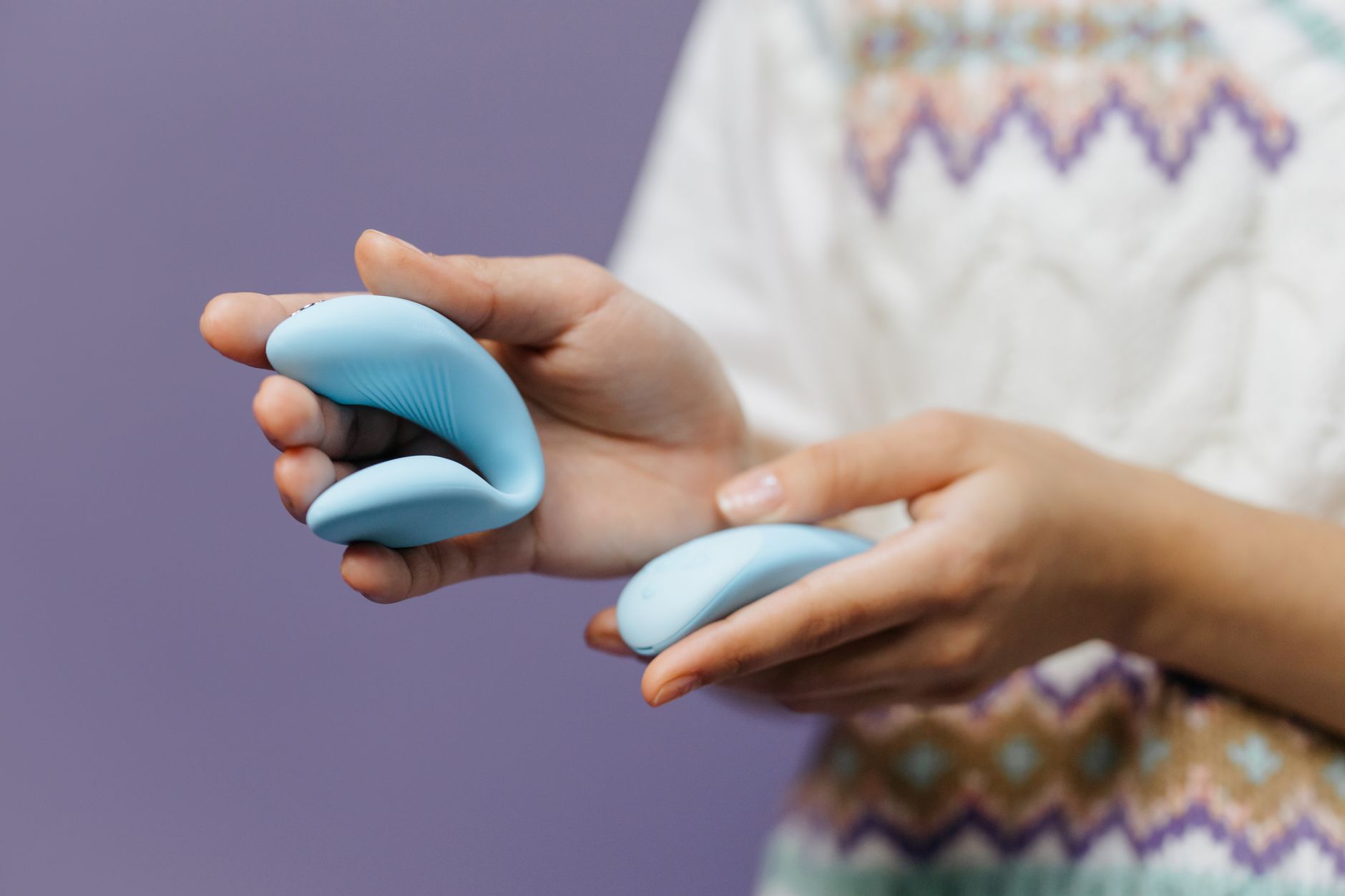
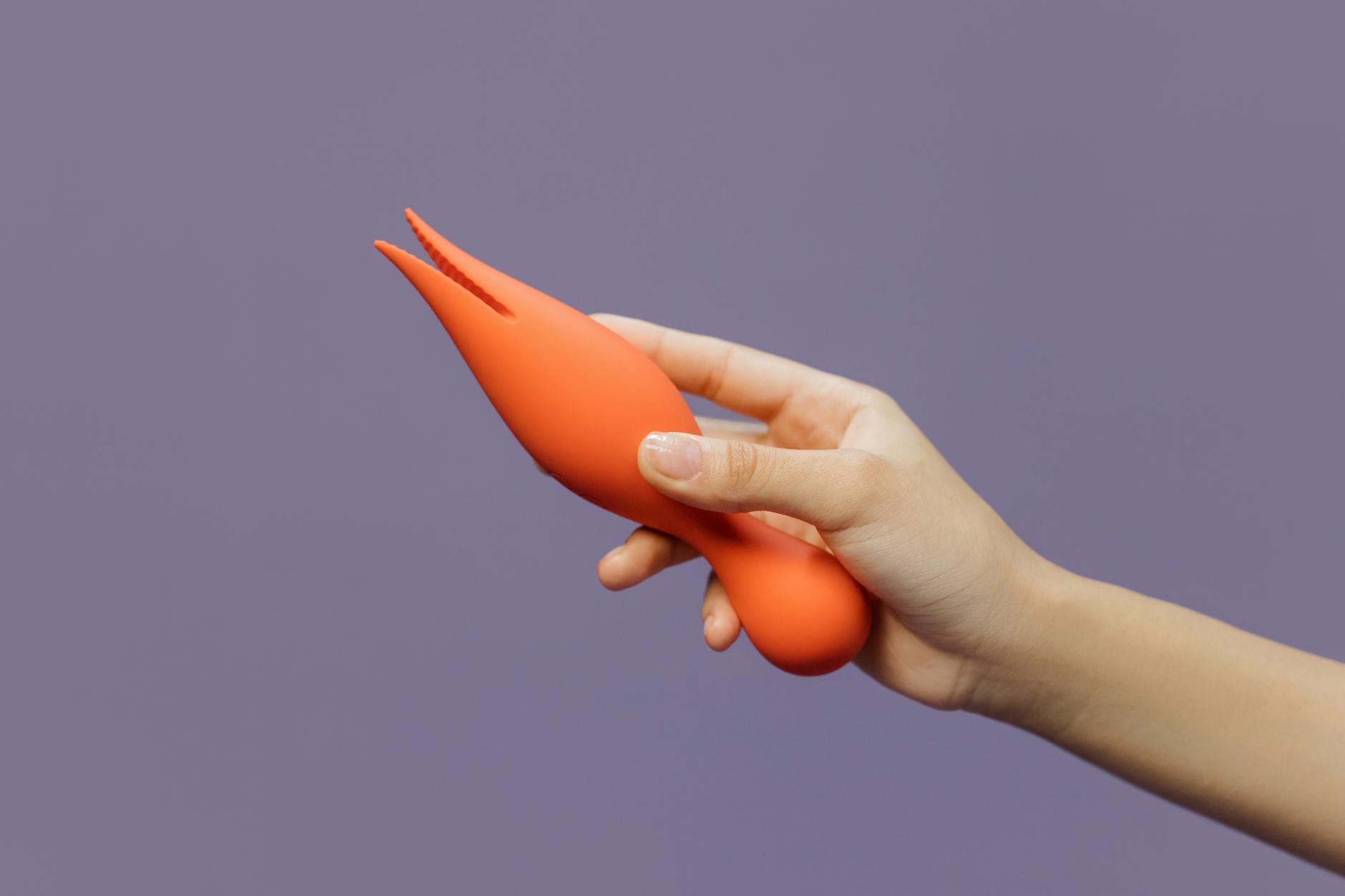
Let's be real: low sex drive and low pleasure are not the same thing. You can have zero interest in sex right now and still have an incredibly satisfying orgasm if you're in the right context with the right tool. That distinction matters because most advice about libido treats desire and physical sensation as bundled together. They're not.
When your sex drive is on empty, a lemon clitoral vibrator works differently than traditional vibrators because it doesn't demand the same emotional investment to feel amazing. Air-suction technology stimulates without the mental load of "I should want this." You just receive the sensation. And honestly, that's where pleasure often hides when desire has gone missing.
Here's the neuroscience part, but I'll keep it simple. Desire (the brain telling you to want sex) runs on dopamine and motivation systems. Physical sensation (the pleasure you feel during stimulation) runs on a completely different circuit. A lemon sucker like the one from Try Lemon Toy taps directly into that sensation circuit without requiring desire to show up first.
This is why people say "I didn't think I wanted it, but once I got going, I was so glad I did." Your body remembered what pleasure feels like, even when your mind had checked out.
Low libido shows up for different reasons. Stress, hormonal shifts, relationship friction, medication, burnout, grief. Sometimes it's all of them tangled together. But here's what matters: none of those things actually damage your ability to feel pleasure. They just make it harder to access the wanting part.
1. Suction doesn't require mental presence. A traditional vibrator asks a lot of you: you need to find the right angle, the right pressure, maintain rhythm, stay in your head long enough to build toward orgasm. When you're running on empty sexually, that's exhausting. A lemon clitoral vibrator creates sensation without that negotiation. You press it on, and your nervous system responds whether you consciously want it or not.
2. The sensation is different enough to feel novel. When desire has flatlined, your body gets bored with the same old touch. A lemon vibrator's air-suction pattern creates a completely different type of stimulation than fingers or traditional vibrators. Novelty wakes up the nervous system. You don't need desire to be curious, and curiosity is often the gateway back to pleasure.
3. It short-circuits the performance pressure. Low libido often comes with shame or frustration that "I should want my partner" or "I should be more sexual." That pressure kills sensation further. A lemon vibrator is permission to feel good without the should attached. You're not trying to want sex. You're just exploring what feels good right now. That distinction is everything.
Start with zero expectations about where this goes. Not "I'm going to have an amazing orgasm." More like "I'm going to feel what happens when I press this on."
Pick a time when you're alone. Not because you need privacy for shame reasons, but because low libido often comes with comparison anxiety. "Is my partner judging me for taking forever?" alone time removes that. You can take 20 minutes or 45 minutes. No timer.
Warm up with touch first. Your body needs 10-15 minutes of regular touch before introducing a lemon sucker. Hands, feather, silk, anything that wakes up your skin. This isn't foreplay toward orgasm. It's just reminding your nervous system that sensation is coming. This step is non-negotiable when desire is low. It's the difference between the vibrator feeling like an obligation and it feeling like an invitation.
Start on the lowest pattern. Most lemon clitoral vibrators have 5-8 settings. Begin with pattern 1. Experiment for 2-3 minutes without any pressure to feel a specific way. Your job is curiosity, not orgasm. Notice what the sensation actually feels like. Is it tingly? Warm? Surprising?
Don't chase orgasm, chase sensation. This is hard when you're used to goal-oriented sex. But when libido is low, orgasm-chasing just adds more pressure. Instead, ask yourself: "What pattern feels best right now?" Move between patterns. Spend 30 seconds on pattern 3, then back to pattern 2. You're not building toward anything. You're just playing. Permission to play is often what brings an orgasm, not pressure to have one.
If it feels like nothing, stop and try later. Low libido sometimes comes with numbness. If sensation isn't showing up, don't power through. You might need:
More warm-up time
A different setting on the lemon vibrator
To come back tomorrow
To address something else (stress, relationship stuff, hormones) before pleasure can return
None of those mean the tool is broken. It means the timing is off.
If you're in a relationship, this gets complicated. Your partner might feel rejected if you're using a lemon vibrator alone instead of initiating with them. That's a separate conversation you need to have, ideally before you're in the middle of trying to reclaim pleasure.
Here's what I tell couples: low libido often means "I need to reconnect with my own body first." That's not rejection of your partner. It's self-preservation. Solo exploration with a lemon clitoral vibrator is actually rebuilding your capacity to feel good, which eventually benefits both of you.
If your partner can handle that truth, you win. If they can't, that's relationship work that might need a therapist, not a toy.
If your sex drive has been low for more than three months and nothing is shifting, there's probably something deeper than just needing the right toy. Low libido is often your nervous system's way of saying something needs attention.
Talk to your doctor if:
Your libido dropped suddenly after starting a new medication
You're also experiencing depression, anxiety, or exhaustion
You have pain during sex or touch
Your relationship is struggling and you don't want to address it
A lemon vibrator from Try Lemon Toy can help you reclaim sensation, but it's not a fix for systemic stuff. Sometimes you need both the tool and the work.
Here's something clients tell me almost universally: the first few orgasms when you're rebuilding pleasure are okay. Not earth-shattering, just present. Then something shifts. By the third or fourth time, orgasms intensify. Why? Because you're no longer in your head about whether you should want it. You're just in your body feeling it.
A lemon vibrator accelerates that process because the sensation is strong enough to pull you into your body whether your brain is cooperating or not. Orgasms deepen as desire slowly comes back. The pleasure teaches your nervous system that sex is safe again, and that permission is often what makes libido return.
Not typically. The opposite usually happens. Reconnecting with your own pleasure makes you more interested in sharing it eventually. Right now, trying to want partnered sex is just adding pressure. Solo exploration rebuilds the foundation. Your partner's involvement can come later, when you remember what feels good.
Maybe. It's worth trying because the sensation is different enough that it might unlock something new. But if an orgasm doesn't happen, that's not failure. You're still recalibrating your nervous system to pleasure. The orgasm will show up when it's ready. Right now, practice feeling good without needing proof of it.
Give yourself at least three separate sessions before deciding. First session is just novelty and awkwardness. Second session, your body understands what's happening. Third session, actual pleasure often appears. Each one should be 20-45 minutes without time pressure. Rushing ruins everything.
Depends on your relationship. If you share most intimate details, yes. If your relationship runs on privacy and independence, maybe not. But if you're rebuilding sex drive, your partner will eventually notice. Frame it as "I'm doing this to feel better about my body, and that benefits both of us." If they can't handle that, that's important information about your relationship.
That's a signal something else needs attention. Numbness during pleasure can mean you need more warm-up time, you're still in your head, or there's an underlying issue (medication side effect, trauma, hormonal imbalance) that the vibrator can't fix. Talking to a therapist or doctor is worth it at that point.
It helps orgasms directly. Sex drive is more complicated. But here's the loop: orgasms improve mood, reduce cortisol, and remind your brain that pleasure exists. That can eventually rebuild desire. It's not guaranteed, but it's a real mechanism. The vibrator helps your body remember what feels good. The mind follows sometimes.
Low sex drive feels permanent when you're in it. It's not. Sometimes it shifts on its own. Sometimes it needs the body to remember pleasure first, and the mind catches up later. A lemon vibrator from Try Lemon Toy is a tool for that remembering. It's not a magic fix. It's permission to feel good without the weight of "I should want this."
Start solo. Start slow. Start with curiosity instead of expectations. Your pleasure matters even when your desire doesn't show up. And sometimes, when the body feels good enough, the desire follows.