Perimenopause is not menopause. It's the decade-long runway toward it, where your hormones spike and crash unpredictably, sometimes within days. One week your body feels exactly like it always has. The next week, nothing works the same way. That's not a glitch in you. That's perimenopause doing its thing.
The frustrating part? Most advice about using pleasure tools during hormonal shifts assumes you're either pre-menopausal or fully menopausal. Perimenopause lives in this wild middle ground where your body is literally changing month to month, and generic advice falls flat. That's what we're solving here.
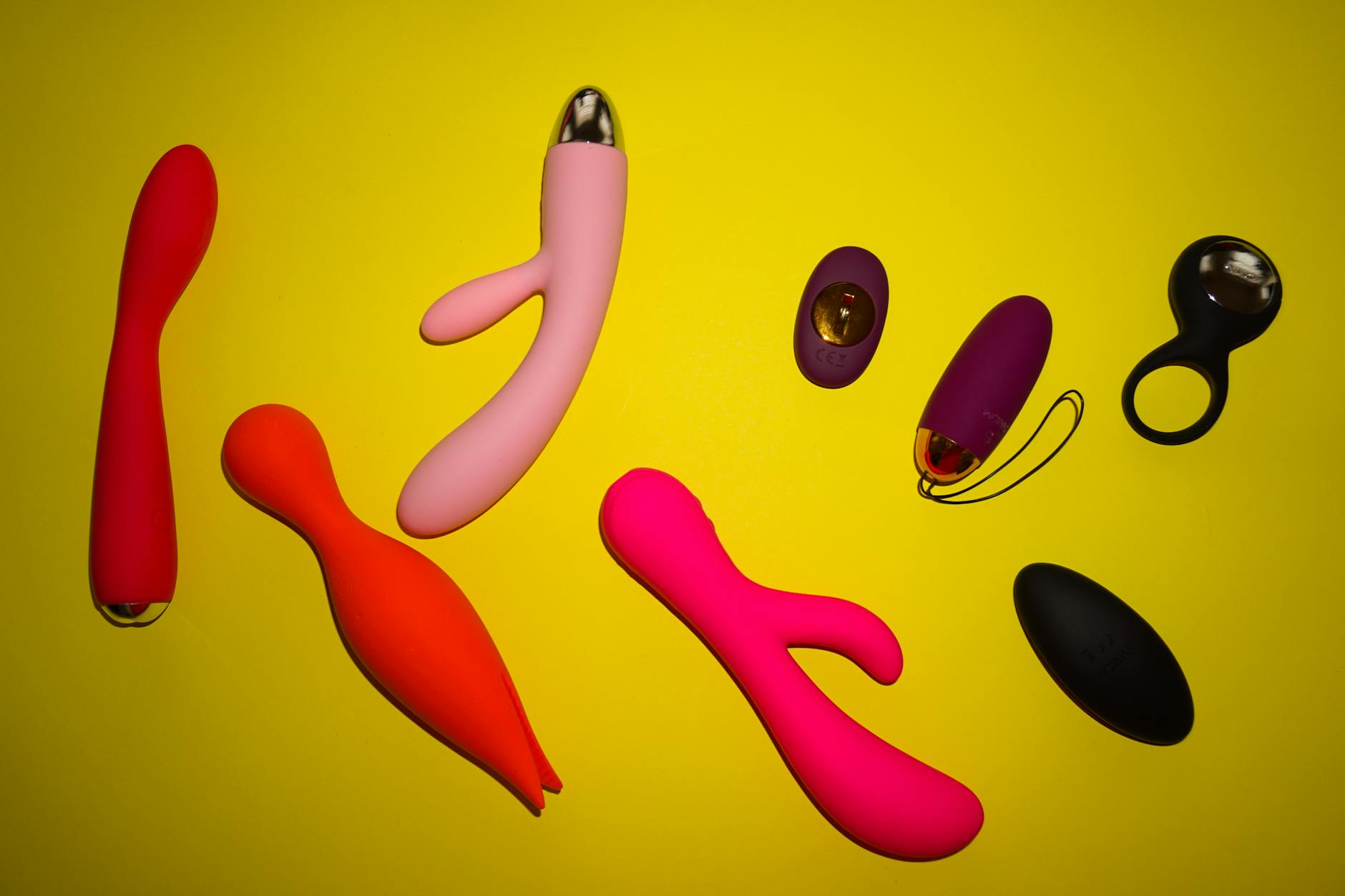
If you're using a lemon vibrator or thinking about trying one, you need a different playbook. Your approach to clitoral stimulation needs to flex with your hormones, not fight them.
During perimenopause, your ovaries are producing wildly inconsistent amounts of estrogen and progesterone. Some days estrogen is high. Some days it plummets. This isn't a straight decline the way menopause is. It's a chaotic sine wave.
Here's what that means for your body:
Estrogen affects blood flow to the clitoris, tissue thickness, and nerve sensitivity. When estrogen drops mid-cycle or suddenly spikes, the physical experience of stimulation changes. Your clitoris might feel hypersensitive one week and numb the next. Lubrication becomes unpredictable. The time it takes to reach orgasm stretches or compresses. Your refractory period (the time between orgasms) gets longer or shorter seemingly at random.
Many people think they're losing pleasure. They're not. They're just experiencing the same external stimulation with a constantly shifting internal landscape.
This is the single most useful thing you can do during perimenopause. Not to conceive or avoid pregnancy, but to predict how your body will respond to a lemon vibrator.
Spend two to three cycles noting when you menstruate, when you ovulate (if you still do consistently), and which days feel best for pleasure. You might notice:
Days 1-5 (menstruation): lower sensation, shorter warm-up time needed because blood flow is already elevated
Days 6-12 (follicular phase): rising estrogen often means increasing sensitivity and faster arousal
Days 13-15 (ovulation window): peak sensitivity for many people, highest natural lubrication
Days 16-28 (luteal phase): progesterone rises, sometimes increasing sensation but also sometimes decreasing it; highly individual
Once you see the pattern, you can anticipate rough patches. If you know day 22 of your cycle tends to feel numb, you won't blame your body or the toy. You'll know to take extra time warming up or skip intensive stimulation that day and do something gentler instead.
Some cycles you might not ovulate at all. That breaks the pattern completely. Which is annoying but useful information. The point is to stop expecting consistency and start expecting variation. Then work with it.
If you're using a lemon vibrator like the Lem, you have built-in intensity levels. Most of Hello Nancy's clitoral vibrators have a range from gentler patterns to stronger ones.
During high-estrogen phases (follicular phase or ovulation), you can probably start at medium intensity without discomfort. During low-estrogen phases or heavy menstruation days, begin at the lowest intensity and move up slowly. The tissue is more fragile when estrogen is low, even though you might expect the opposite.
Here's a practical template:
Days with higher natural sensitivity (usually ovulation window): Start at pattern 3-4, adjust from there.
Days with lower sensation (usually luteal phase, especially post-ovulation): Start at pattern 1-2, spend more time warming up before increasing intensity.
Menstruation days: Use the lowest intensity initially. You have more pelvic blood flow naturally, so you might think you'd want more stimulation. But menstrual tissue is more reactive, and what felt perfect last week might feel too much now. Let your body tell you.
You cannot assume your natural lubrication will show up when you expect it during perimenopause. One month you're fine. The next month, you're dry as a bone. This has nothing to do with arousal and everything to do with estrogen levels.
Water-based lubricant becomes your insurance policy. Use it every time, even on days when you think you won't need it. If you're wrong, you've just made the experience smoother. If you're right, you've avoided friction that could feel raw or uncomfortable.
Silicone lube tends to feel richer and lasts longer, but it can damage silicone toys. Stick to water-based if your lemon vibrator is silicone. Reapply it mid-session if things dry out. That's not a sign of failure. That's just perimenopause being perimenopause.
During perimenopause, arousal can feel slower to build. That's because blood flow and neural response are inconsistent, not because you're less interested in pleasure.
Instead of jumping straight to your lemon clitoral vibrator, spend 10-20 minutes on other forms of stimulation first. Touch yourself manually. Read something that turns you on. Think about what you actually want rather than what you think you should want. This preps your body and gives your nervous system time to respond.
When you eventually reach for your lemon sucker, your body will be more receptive. This is especially important on days when your hormones are in a slump. The warm-up is doing the work that estrogen usually does for you.
This is the mindset shift that matters most. Perimenopause requires permission to be inconsistent.
You might have an incredible session on Tuesday and a frustrating one on Friday. That's not a progression. You're not going backward. Your hormones shifted, so your body's response shifted. That's information, not failure.
Some days you'll need your lemon vibrator on a lower setting and more patience. Some days you'll skip it entirely because your body feels off and nothing is going to feel great anyway. That's also fine. Pleasure isn't a performance metric during perimenopause. It's a practice you're learning alongside a changing body.
If you're partnered, this is also a useful conversation to have. "My body feels different this week, so I might need more time" is way more useful than silently expecting yourself to perform the same way every time.
Some symptoms during perimenopause warrant medical attention. If you experience pain with stimulation that wasn't there before, burning sensation, or extreme dryness that even good lubrication doesn't fix, talk to a gynecologist. Genitourinary syndrome can begin during perimenopause, and it's highly treatable.
Likewise, if your desire has completely disappeared and isn't returning, that's worth discussing. It could be hormonal, but it could also be stress, medication side effects, or relationship dynamics. A provider can help you tease apart what's happening.
Your clitoral vibrator is a tool for pleasure, not a diagnostic device. It's not supposed to "fix" you. If your body isn't cooperating and you're frustrated, that's when professional support becomes valuable.
Not necessarily less intense, but different. Tissue thickness and blood flow change, so the sensation you feel from the same device at the same setting will vary. That's not the vibrator changing. It's your body's response changing. Some days it might feel more intense because you're more sensitive. Other days, duller. You're not losing capacity. You're experiencing inconsistency, which is the whole perimenopause thing.
Yes, but start at the lowest intensity. Menstrual blood flow means more pelvic activity already, so your tissue is more reactive. What felt right at medium intensity last month might be too much on day two of your period. Listen to your body. If it feels uncomfortable, stop and try again another day. If it feels good, great. There's no rule. You're experimenting with your own body in a new phase.
Hormones. They affect blood flow, tissue elasticity, nerve endings, and your brain's processing of sensation. During perimenopause, hormones are shifting constantly, so nothing feels the same twice. That's not about the quality of the vibrator or your capacity for pleasure. It's biology doing its job. Accept the variation and adjust your approach accordingly.
Absolutely not. There's no point in your cycle where pleasure is off-limits. Some days will be easier or more satisfying than others, but that's always true. During perimenopause, you're just getting more data about when and how you like stimulation. Use that information to adapt your approach, not to stop trying.
Completely normal. Arousal is a process that involves hormones, blood flow, and neural response. When hormones are fluctuating, arousal takes longer. Some sources say arousal in perimenopause can take 20-30 minutes compared to 5-10 minutes earlier in life. That's not a loss. It's just different timing. Budget the time and enjoy the extended foreplay.
Likely yes. Hormone therapy evening out your estrogen and progesterone will probably make your response to clitoral stimulation more consistent. You might find the lemon vibrator feels similar to how it felt before perimenopause started. That consistency itself can be a relief after months of unpredictability.
Perimenopause asks you to let go of the expectation that your body will respond the same way every time. That's uncomfortable. It's also the reality.
Using a clitoral vibrator during hormonal shifts means tracking what works, adjusting your approach based on your cycle, extending warm-up time, and giving yourself permission to have inconsistent sessions. That's not settling. That's adapting to the actual biology happening in your body.
Your pleasure hasn't gone anywhere. It's just on a more complicated schedule. And once you accept that, tools like the Lem become even more valuable because they give you options you can adjust on the fly.
If you're navigating perimenopause and want more specific strategies for maintaining intimacy during hormonal flux, reach out to us. We're here for the questions that don't fit neatly into the standard advice.