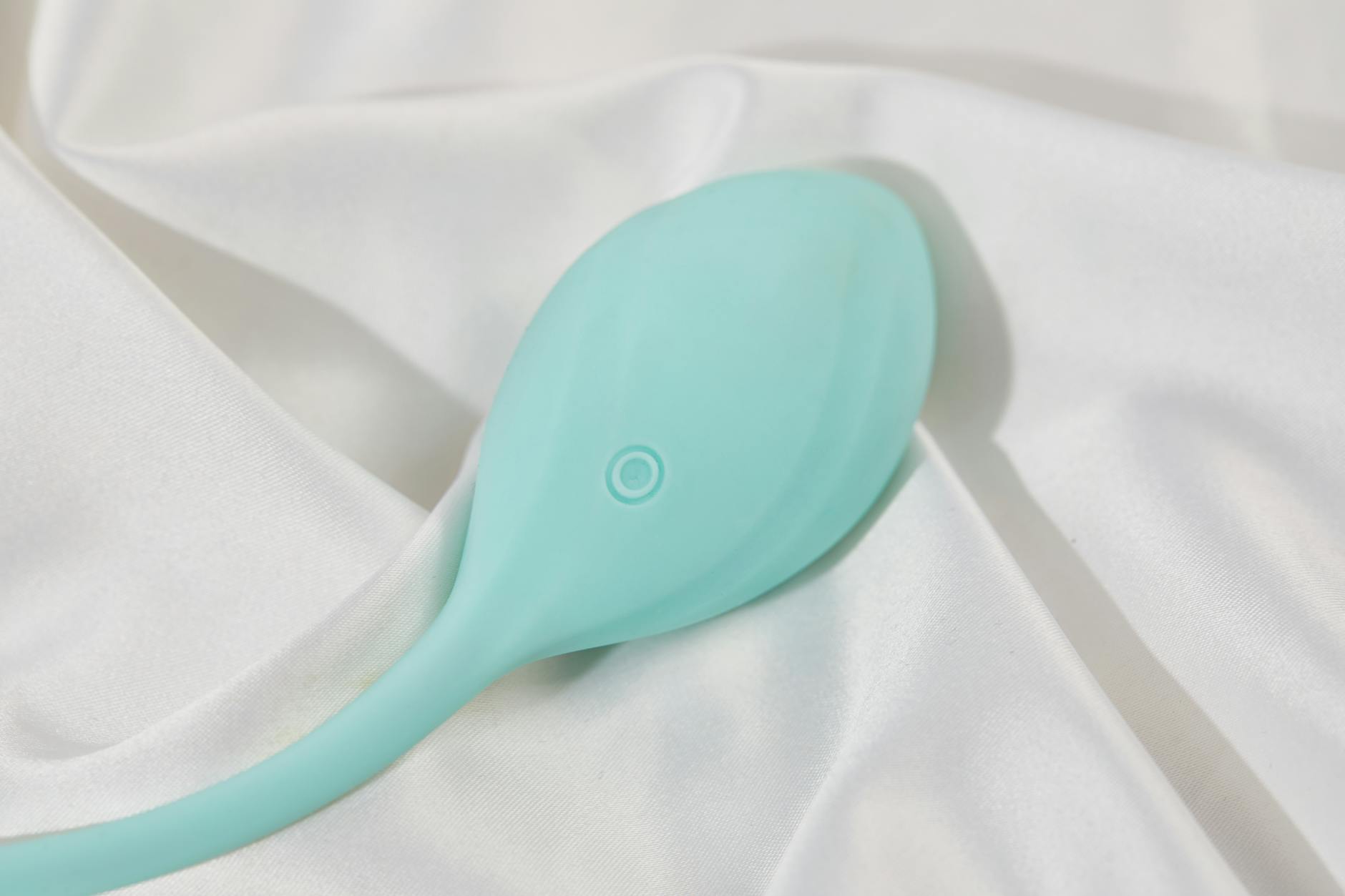
How Lemon Vibrators Improve Sensation After Hormonal Changes in Midlife
When estrogen drops and clitoral sensitivity shifts, traditional vibrators often feel either too intense or not intense enough. Here's why clitoral suction is the answer.
Somewhere between 40 and 55, a lot of people notice their pleasure landscape changing. The vibrator that worked perfectly at 35 now feels either painfully intense or weirdly distant. Arousal takes longer to build. Orgasms feel different in texture. This isn't failure. This is hormones, and understanding why matters.
Estrogen doesn't just regulate your cycle. It affects tissue thickness, blood flow to the clitoris, and how quickly your nervous system responds to stimulation. When estrogen drops during midlife, your clitoral tissue becomes thinner and less engorged, which means traditional vibration often overstimulates a more sensitive surface. That's where clitoral suction changes everything. Instead of direct friction, suction creates a gentle pressure wave that stimulates the entire clitoral network without punishing the surface.
Here's the physiology, made simple. Your clitoris has about 8,000 nerve endings, most of them clustered in the glans. During your reproductive years, estrogen keeps the tissue around those nerves plump and protected. When estrogen drops, that tissue thins. The same intensity that felt perfect at 30 now registers as too much. Your body isn't less capable of pleasure. It's just reading stimulation differently.
At the same time, blood flow changes. The clitoris engorges more slowly during arousal, which means you need more time and often more sustained pressure to build toward orgasm. This is why "quickies" become less reliable and longer foreplay becomes essential. It's also why a lemon vibrator, which you can run on lower settings and adjust continuously, works better than a one-note traditional vibrator.
There's also a dopamine shift. Your brain's reward response flattens slightly during midlife, which means the mental arousal component that used to kick in automatically now requires more intentionality. This isn't depression. This is neurobiology. And it matters because it means external tools matter more, not less.
Traditional vibrators work by oscillating the entire toy rapidly, which sends vibration directly into clitoral tissue. For thin, sensitive tissue, this is like playing a violin with a hammer. Clitoral suction devices like the Lem work differently. They create a gentle pulse of suction that mimics oral sex, drawing the clitoral glans into a small chamber where air pressure rhythmically releases and builds. This approach has three advantages for midlife bodies.
First, control. You can start at barely-perceptible settings and work up. With traditional vibrators, you often skip from "off" to "intense." With the Lem's multiple intensity levels, you're meeting your body where it actually is, not forcing it to adapt to a preset rhythm.
Second, less surface trauma. Because suction distributes pressure across a broader area instead of concentrating vibration on one point, there's less risk of overstimulation or even pain. If your clitoral tissue is thinner, this matters.
Third, clitoral engagement. Suction actually draws the clitoral glans into the device, which means you're stimulating more nerve endings with less intensity. For people who notice reduced sensation, this is huge. You're getting more comprehensive stimulation without cranking the power.
Refractory period is the stretch of time after orgasm when another orgasm isn't possible, no matter what you try. In your 20s and 30s, this might be minutes. In your 40s and 50s, it can stretch to hours or even longer. This isn't a sign your body is failing. It's a normal shift in neurological response.
What clitoral suction does is reduce the intensity threshold you need to reach orgasm. If you can get there with less aggressive stimulation, you recover faster. You're also less likely to overstimulate on the first pass, which means your nervous system isn't completely wrung out afterward. People often report that using a lemon vibrator actually shortens their refractory period compared to traditional vibrators, because they're meeting their body's current needs instead of fighting against them.
Midlife hormonal shifts often mean less natural lubrication. This isn't optional to mention. Thinner tissue plus less lubrication plus traditional vibration often equals pain or numbness. But here's what most people miss: lubrication isn't just about comfort. It's about sensation.
Water-based lube actually improves how clitoral suction devices feel. It creates a better seal, which means the suction is more effective and requires less power. This is counterintuitive to people used to traditional vibrators, where lube can sometimes dull sensation. With suction, it does the opposite. A quality water-based lubricant and a clitoral suction device together create a feedback loop where less intensity equals more sensation.
I recommend silicone-free lubes with clitoral vibrators, since silicone lube can eventually damage silicone toys. Water-based options like those from standard sexual wellness brands are perfect. Reapply as needed. This isn't a sign something's wrong. It's just respecting your body's current needs.
If you're with a partner, hormone-related sensation changes can feel confusing or even rejecting. Here's the conversation that matters: "My body is responding differently, which means what we're doing needs to shift too." That's not a criticism of them. That's information. Many people introduce clitoral suction devices with partners specifically because it opens a new avenue when traditional approaches feel stuck.
The Lem or similar lemon vibrators work beautifully in partnered scenarios because they're interactive. You can hand off control. You can experiment with settings together. You can use it as a bridge to reconnection when midlife changes have created distance. The key is framing it as "we're adapting together" instead of "something's wrong with me."
If sensation loss is accompanied by pain, if arousal has completely flatlined, or if you're experiencing vaginal dryness severe enough to affect daily life, see a menopause-informed doctor or gynecologist. Genitourinary syndrome of menopause (GSM) is treatable with topical estrogen. Persistent low desire sometimes responds to testosterone therapy. These are real options, and they work best alongside tools like clitoral suction devices.
Also: hormonal shifts can unmask other medical conditions or medication side effects. If your sensation changes happened suddenly or came with other symptoms, that's worth investigating with a professional. But if you're experiencing the gradual shift that most people do in midlife, a clitoral vibrator like the Lem is often the first practical tool that actually fits your body's current reality.
I work with couples in their 40s, 50s, and 60s, and I see a consistent pattern. The people who adapt their tools and expectations actually report more consistent orgasms than they did earlier. Why? Because they've stopped fighting their bodies and started listening to them. A lemon clitoral vibrator is just the physical version of that shift. It's a tool that says: "Your body is changing. That doesn't mean your pleasure is ending. It means we're adjusting the approach."
Hormonal shifts are real. Sensation changes are real. But so is neuroplasticity, intentionality, and the fact that you've got decades of life ahead where pleasure is absolutely on the table. The right tool makes that real.
Yes. Clitoral suction distributes stimulation across a broader area with less intensity, which often helps people with reduced sensation reach orgasm. Because you're not relying on vibration concentration, you need less overall power to feel enough. Many people report that the Lem works better than traditional vibrators specifically when their sensitivity has shifted.
Completely. Estrogen drop thins clitoral tissue, which means the same vibration intensity that felt moderate at 30 now registers as harsh. Your body isn't broken. Your tissue is literally different. Clitoral suction is designed for exactly this scenario.
Water-based lube creates a better seal between your clitoris and the suction chamber, which means the device works more effectively at lower intensity settings. With traditional vibrators, lube can reduce sensation. With suction, it enhances it. It's the opposite dynamic.
Often yes, especially after 45. This is neurological, not psychological. The good news: using less intense stimulation (like clitoral suction) means you recover faster than you would with traditional vibrators. Your nervous system isn't as exhausted afterward.
Absolutely. If anything, you may notice sensation improving as estrogen therapy takes effect. Start at lower settings regardless, since your tissues are still in transition. As your body stabilizes on therapy, you might find you need slightly more intensity than you did at the peak of the adjustment phase.
Traditional vibrators concentrate oscillation in one spot, which can overstimulate thin tissue. Lemon vibrators use suction to engage the entire clitoral network with pressure waves instead of vibration. For midlife bodies with changed sensation, suction typically feels more comfortable and effective at building toward orgasm. If you have questions about whether a clitoral suction device is right for you, reach out to our team.